
04/18/2022

Risk Control Newsletter
Spring 2022
- Topics Covered:
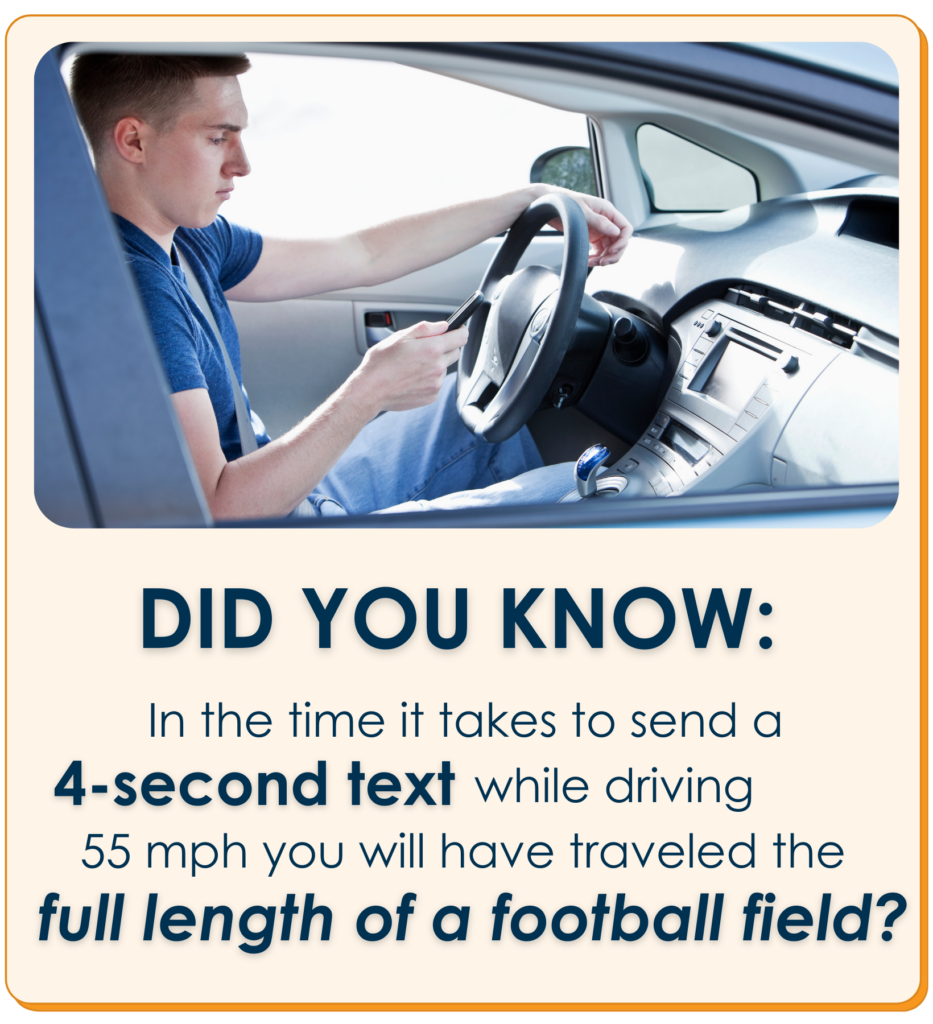
April is Distracted Driving Awareness Month
No matter how experienced or skilled we may feel we are as drivers the data is clear, that driving with handheld and hands-free devices can be deadly and the impact on families is real – just ask our public safety personnel!
These accidents are predictable and preventable. If your community has yet to address this topic within your personnel policies, consider Distracted Driving Awareness Month in April as the time to take action.
- Develop, implement and communicate a distracted driving policy to all staff.
- Work with your public safety departments to ensure the policy meets their needs during true emergencies.
- Recommend that employees utilize the “Do Not Disturb” feature on their smartphone which silences mobile devices when a vehicle is in motion.
- Communicate to your residents, and especially to parents of younger drivers, the dangers of distracted driving through social media.
- Set an example for your community and practice what you preach.
More information on Distracted Driving Month
Summer Camp Preparations
For the first time since the summer of 2019, Schools and Parks & Recreation departments will be re-opening their full slate of summer camp programs in the upcoming months! During the COVID-19 pandemic, many summer camps were postponed or limited to outdoor activities only, however, with restrictions being lifted across the country these programs will soon return to “normal”. Since it may have been some time since your community last evaluated the risk of the programs being offered, hiring procedures, and risk transfer techniques, now may be a good time to do so. Please consider the following as you prepare for this summer’s programs.
Evaluate the Risk of Each Program Being Offered
Consider taking a fresh look at each program you are offering from a risk management standpoint by identifying and anticipating all that could potentially go wrong.
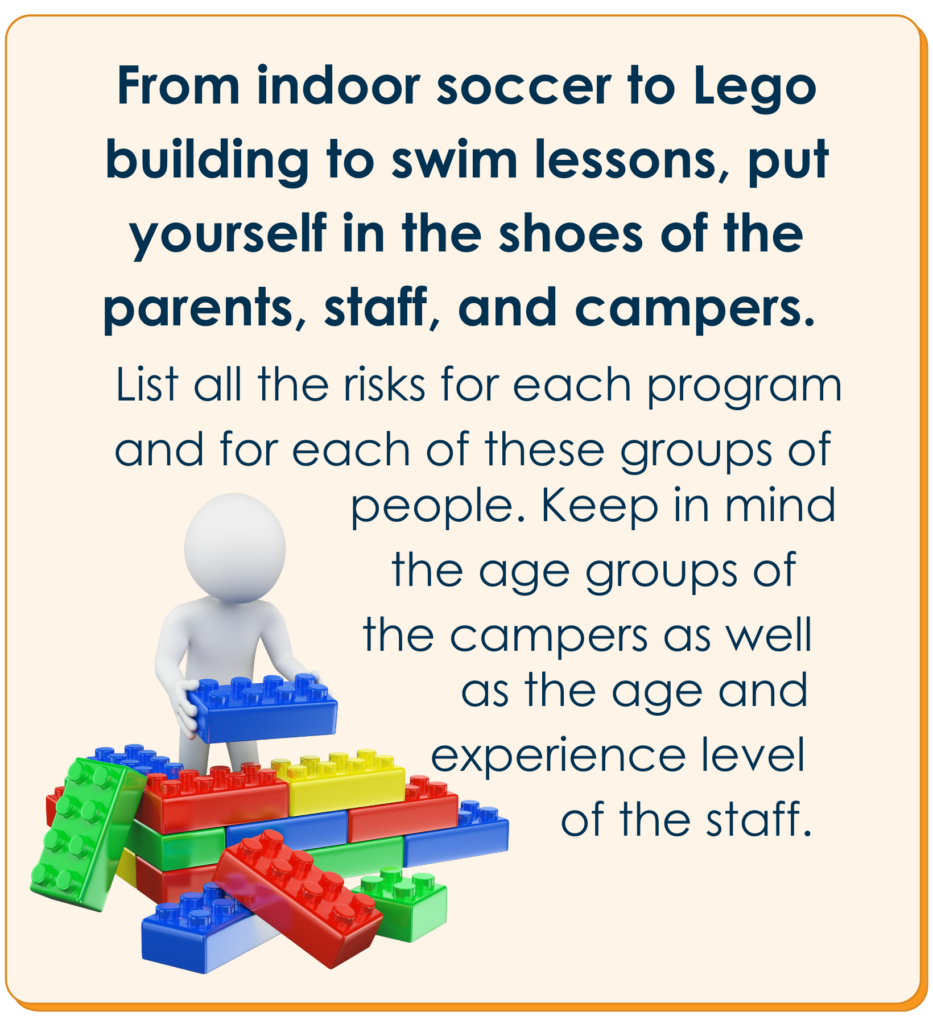
Once you have listed the types of risks that would include how injuries could occur to campers or staff, damage to property or equipment, security concerns, etc. now you need to evaluate the risks. Once you have evaluated all the risks, determine what the likelihood of that issue is to occur and how often could it occur by ranking the risk using a 0-5 scale (5 highly likely to happen, 0 unlikely to ever happen. Work with your staff to carefully think through each area of risk. Once you have this information you can then determine what steps are needed to address the risks.
- Do you have adequate staff to do so?
- Adequate equipment?
- Do you need more training in certain areas?
- Are your current policies adequate or need updating?
This can be a timely process but very helpful when considering the risks for existing or new programs.
Screen Your Employees
It is a difficult time for those hiring employees right now, as applicant numbers have been down across the country. However, it is important to remain diligent about screening your employees. Background checks must be conducted for any staff member or volunteer that may be working with or supervising children.
Waivers Are Not One Size Fits All
If you have not had your attorney review your permission slips/waivers for participation in the past, now is the time to do so! Waivers should be as specific to the activities in the camp as possible. When appropriate waivers should include language that participation could lead to serious injury. Requirements for physical examinations may be necessary along with any pertinent allergy information from the parents to ensure the campers are physically able to participate. Be as forthcoming as possible about what the camp will entail in terms of physical activity. Generic waivers are not recommended as they tend to not be enforceable. Waivers can protect you in many situations that result in injury but not all so it is important to have your attorney review your waivers prior to the camp season.
Additional risk transfer protections may be required if a third party is being hired to provide summer camp services on behalf of your entity. In this case be sure to have your attorney review hold harmless agreements with indemnification language, ensure the party has current and proper certificates of insurance and that you are named as an additional insured on their general liability policy.

For more information on road defect risk management click here.
Snow Plow Truck Fires
With the snow plow season wrapping up now is a good time to address a very serious and ongoing safety issue, electrical fires in snow plows. Every winter several Highway garages and the plows stored inside catch fire resulting in extensive property damage and loss of fleet. These claims are not only expensive but impair Public Works departments from performing one of their most important services in keeping the roads safe during the winter months.
The cause of these electrical fires is typically older trucks that are outfitted with newer snow plow attachments following heavy use. In some cases, the wiring load for the new plow is not sufficient on the older truck and in other cases, it’s due to excessive wear and tear on the electrical system.
To prevent these fires, get a head start this offseason by having a qualified mechanic inspect your vehicle’s electrical system thoroughly. Replace and upgrade the electrical system as needed to accommodate plow attachments. Evaluate your winter preventative maintenance and inspection procedures to account for excessive use. Consider installing battery shut-off switches to help isolate electrical problems.
For more information on Heavy Vehicle Electrical Fires click here.

Passenger Van Safety

Federal law prohibits schools from purchasing or leasing new 15-passenger vans for the purpose of transporting students to and from school-related events unless the bus complies with the same safety requirements as school buses. Additionally, most states have restricted the number of students that can be transported on vans where the seating capacity exceeds 10 or more. The reason for these restrictions is due to the high rollover risk for these vans. When more than 10 people occupy a van the center of gravity (due to the passenger weight) moves to the rear, thus making the vehicle more difficult to handle.
Most schools have limited their use of these vans over the years, however, they are still used quite frequently for summer recreation programs, after-school athletic activities, senior citizen transportation, etc. Despite the purpose and people being transported, the risk for rollover remains and it is important to have a strict policy on who can operate these vans.
Consider the following tips from the National Highway Traffic Safety Administration (NHTSA) to help protect your students and staff:
- Experience: Fifteen-passenger vans should only be driven by experienced, licensed drivers who operate this type of vehicle on a regular basis. A commercial driver’s license is ideal. It’s important to know that 15-passenger vans handle differently than cars, especially when fully loaded.
- Attention: Stay focused on the task of safe driving by being well rested, never using a handheld phone at the wheel, and limiting conversation with other passengers. Drivers shouldn’t drive more than 8 hours per day.
- Speed: Always obey the posted speed limit, and reduce your speed as needed based on road or weather conditions. Remember that 15-passenger vans require additional braking time and cannot handle abrupt maneuvers the way cars can.
- Seat Belts: All occupants need to wear seat belts at all times. Inspect seat belts regularly and replace any missing, broken, or damaged belts and/or buckles. An unrestrained 15-passenger-van occupant involved in a single-vehicle crash is approximately four times more likely to be killed than a restrained occupant.
- Tire Pressure: Inspect the tires and check tire pressure before each use. A van’s tires, including the spare tire, need to be properly inflated and the tread should not be worn down. Excessively worn or improperly inflated tires can lead to a loss of vehicle control and possibly a rollover. Check the driver’s side door pillar or the owner’s manual for the recommended tire size and pressure. Recommended tire pressure may be different for front and back tires.
- Spares: All tires weaken with age—even unused tires; avoid using an old spare on your 15-passenger van. Used 15-passenger vans may come with dangerous spare tires that are many years old. Check a tire’s age by finding its Tire Identification Number (TIN) on the tire’s sidewall. The last four digits of the TIN indicate the week and year the tire was made (e.g., 1010 = March 2010).
- Occupancy: Never allow more than 15 people to ride in a 15-passenger van. Fill the seats from front to back: when the van is not full, passengers should sit in seats that are in front of the rear axle.
- Cargo: Cargo should be placed forward of the rear axle; avoid overloading the van or placing any loads on the roof. See the vehicle owner’s manual for the maximum weight of passengers and cargo and to determine towing capability.
- Size: A 15-passenger van is substantially longer and wider than a car, and thus requires more space to maneuver. It also requires additional reliance on the side-view mirrors for changing lanes.