

Public Entity Hurricane Preparedness for Public Entity Buildings and Communities
When hurricanes strike, public entities such as city governments, schools, or municipalities must act quickly to protect their infrastructure and support the communities they serve. Participating in public entity hurricane preparedness can help minimize damage, reduce risk, and expedite recovery. Follow this hurricane preparedness guide to ensure your buildings and operations are ready to withstand storm season!
Why Hurricane Preparedness Matters
Hurricanes bring not just high winds but also flooding, power outages, and structural damage. Hence, public entities are essential in disaster recovery efforts, and proactive hurricane preparedness ensures both your facilities and citizens are safe. Forward-thinking steps also save costs in repairs and liability claims after the storm has passed.
Key Steps to Prepare Your Public Entity’s Buildings
1. Review and Update Your Emergency Plan for Public Entity Hurricane Preparedness
- Assess and Revise:
- Ensure your emergency preparedness plan aligns with the current needs of your public entity. Therefore, if it hasn’t been updated since the pandemic, include adjustments for public health protocols, such as hand sanitizer stations and PPE supplies.
- Vendor Coordination:
- Check with vendors and suppliers to confirm their availability during a crisis. Additionally, backup arrangements are crucial if your primary suppliers are unable to meet your needs.
- Critical Supplies:
- Stock up on essentials, including water, food, medication, and diesel for generators. Including ensuring delivery times are factored in during periods of high demand.
2. Secure Public Entity Properties for Public Entity Hurricane Preparedness
- Roof Inspections:
- First, assess damage or weaknesses before storm season. Doing so will allow you to fix leaks or reinforce areas vulnerable to high wind or water pooling.
- Tree and Equipment Maintenance:
- Trim trees near structures and secure loose equipment that could become dangerous during high winds.
- Drainage Systems:
- Lastly, ensure gutters, downspouts, and stormwater drains are clear to avoid water back-ups and property flooding.
3. Strengthen Technology Resilience
- Communications Systems:
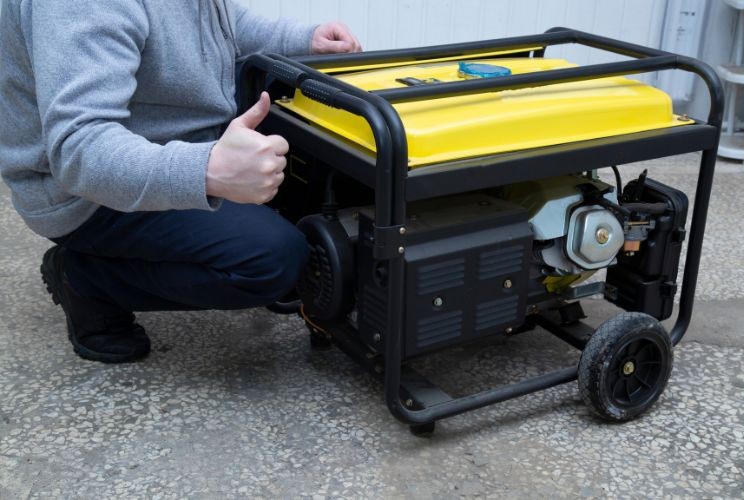
- Test radios, backup networks, and generators to ensure they function during outages.
- Cloud Backups:
- Save critical files and response protocols in a secure cloud system, so your team can access them if primary servers fail.
- Digital Coordination:
- Prepare to utilize social media for public updates and damage reports, encouraging citizens to upload photos and share precise locations to facilitate resource coordination.
4. Prepare Response Teams for Public Entity Hurricane Preparedness
- Staff Training
- Ensure your frontline staff understand their roles in hurricane preparedness by conducting training for departments such as emergency management, public works, and risk management teams.
- Practice Meetings
- Schedule regular meetings to cover response timelines, resource allocations, and evacuation procedures. Also, virtual coordination meetings can be beneficial for last-minute updates.
5. Maintain Clear Communication with the Public
- Various Communication
- Promptly inform residents of safety measures and available support through email newsletters, community bulletin boards, and press releases.
- Outreach
- Highlight emergency shelters, anticipated road closures, and hotline numbers in your outreach efforts.
Additional Guidance for Hurricane Preparedness to Mitigate Risks for Your Public Entity
Checklist for Hurricane Readiness
Download a comprehensive checklist tailored for public entities. It includes all necessary actions, from securing power systems to coordinating evacuation shelters.
Moving from Hurricane Preparation to Hurricane Recovery
Even with the best preparation, the aftermath of a hurricane may require quick and decisive action. After the storm:

Inspect Damaged Areas
Conduct evaluations to prioritize repairs. Use thermographic cameras to detect structural weaknesses.

Contact Insurance Adjusters
Set up claims and follow proper documentation procedures to receive timely payouts.

Ensure Safety
Prevent public access to damaged structures or roads until they’re deemed safe by inspections.
Mold Prevention After Hurricane Flooding
Following a hurricane, mold can develop within 24 – 48 hours. To help prevent that from occurring, keep dehumidifiers and air movers on standby to deploy to affected buildings immediately after a storm subsides.
Hurricane Stormproofing Teams and Equipment
Train public works personnel in the safe operation of equipment such as snowplows or debris removers. Ensure that contract snow removal teams are vetted and possess the proper certifications for operating heavy equipment.
Proactive Actions for Long-term Benefits
Hurricane Preparedness isn’t a once-a-year task. Build a culture of continuous improvement in disaster planning to stay ahead of evolving risks and stay ahead of evolving risks. Regularly review your plans, budgets, and response protocols to adapt to changing threats, ensuring your public entities are always ready to weather the storm.
Want Expert Guidance for Your Public Entity’s Hurricane Preparedness?

Ensure your buildings and operations are hurricane-ready with our specialized risk management team. Contact us to create a customized plan that meets your public entity’s specific needs.
Hurricane Preparedness Resources
Connect with us to get started
Thank you for your interest in Paragon Insurance Holdings. Please submit our contact form to start a conversation about how we can best serve you.