
08/05/2024

Ensuring Safe Roads: The Importance of Driver Screening for Public Entities
In the hustle and bustle of our daily lives, it’s easy to overlook the unseen risks that accompany every public vehicle on the road. Yet, behind every mile driven by a public entity’s vehicle lies a crucial responsibility—to ensure that only the safest, most qualified individuals are behind the wheel. From city buses to trusty utility trucks, these vehicles are vital to our daily routine. But who’s driving these machines? It is important to ensure that drivers are as dependable as they are skilled by adhering to public entity MVR guidelines through motor vehicle record screening. Let’s dive into why screening these road warriors is essential for community driving safety.

Read on for Trident’s guidelines on public entity MVR for comprehensive driver screening.
Management Commitment is Key to Implementing a Successful Driver Screening Program
- Leadership buy-in is essential for the success of any program. Work closely with department heads, unions, and human resources to develop a screening process that garners support across the organization
- Legal counsel should review the screening procedures to comply with local regulations
- Establish a culture of accountability
- Provide adequate staffing and budget support to implement the screening process
- Encourage public feedback and reports on unsafe driving observations to enhance overall safety measures
Who Needs Their MVRs Checked for Entity-Owned Vehicles?
We recommend checking driver records for all individuals operating entity-owned vehicles. This includes full-time or part-time employees, board members, elected officials, volunteers, and coaches. It also encompasses operators of various types of fleet vehicles, including automobiles, trucks, vans, and heavy equipment owned, rented, leased, or licensed by the entity.
Minimum Requirements of a Public Entity Vehicle Operator
- Pre-employment screening of driver records in the states in which they reside or have resided
- Conduct annual reviews of motor vehicle records (MVR) to identify any changes in license status resulting from accidents or violations
- Establish clear protocols for reviewing driving records and taking action when safety concerns arise
- Employees must immediately inform supervisors about any license suspensions

MVR Screening: Establish Violation and Rating Criteria
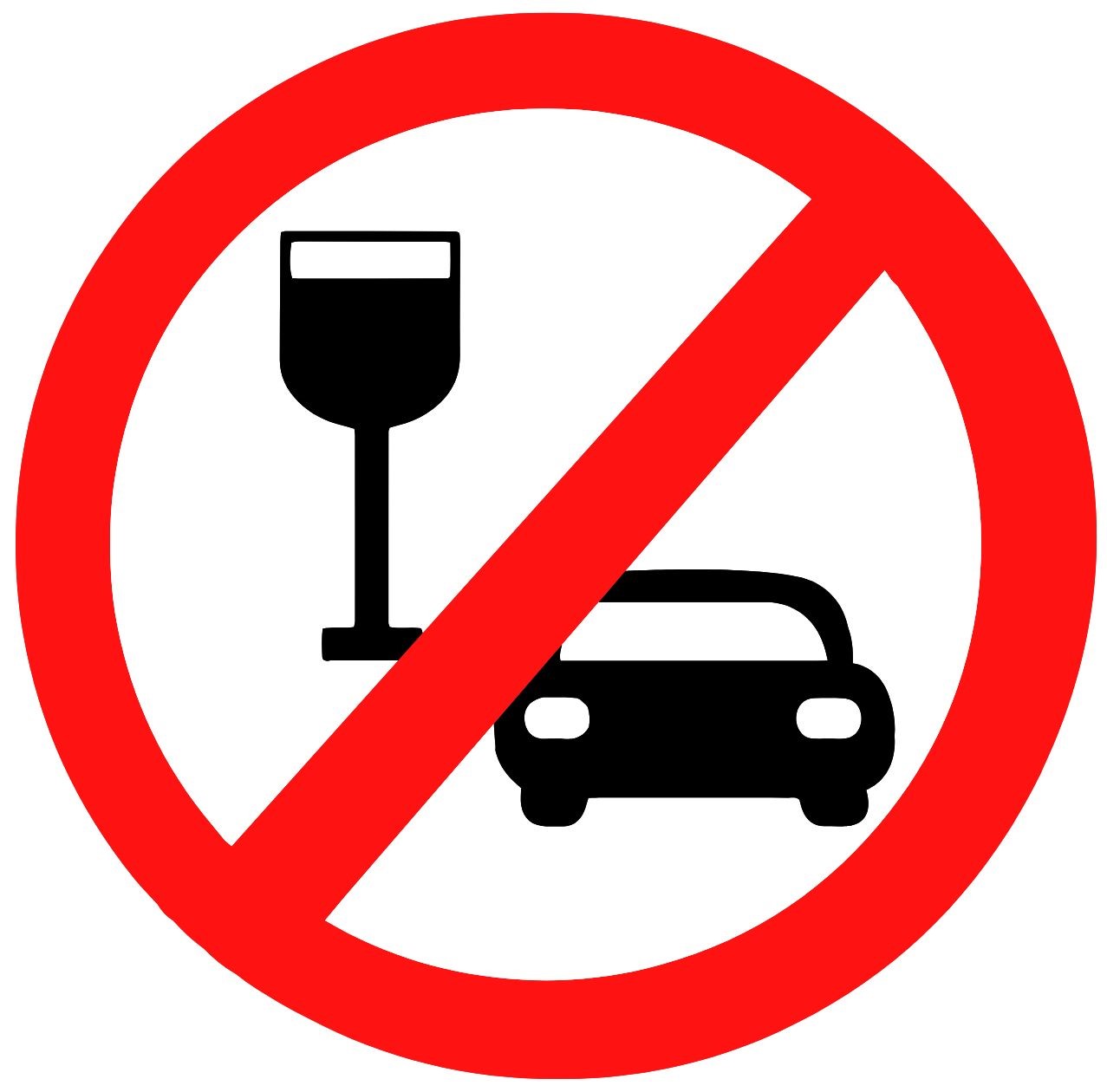
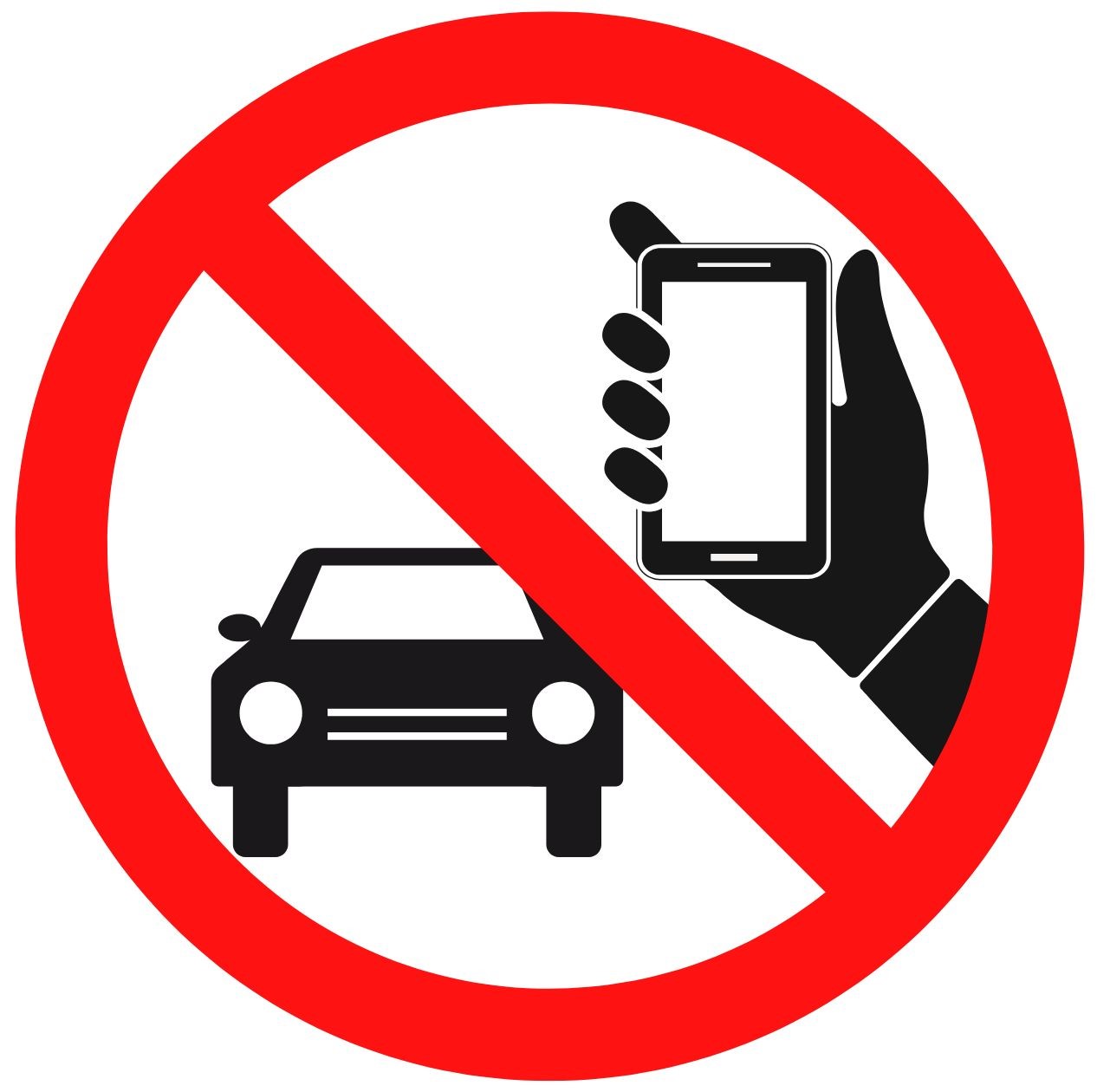
Evaluate motor vehicle records (MVRs) against predetermined criteria, including points or violations and at-fault accidents over a specified timeframe. Ensure these criteria are consistently applied and updated to align with evolving regulations and industry standards. To make informed judgments, employers should also consider the context of incidents, considering their severity and frequencyxdx ,,.. Here are examples of violations:
Obtain the MVR
- Create a list of all operators to track the status of their motor vehicle record review
- Prospective employees must include a copy of their MVR during the application process
- Contact your state’s Registry of Motor Vehicle department to help obtain MVR or reach out to a third-party vendor who specializes in human resources
Analyze the MVR and Assign a Rating
- Track each operator’s rating over time for monitoring purposes
- Discuss violations with employees to understand their perspective
- Notify employees whose records indicate improvement needs, offer training, and increase monitoring as necessary
- Assess the frequency and recency of violations as critical factors
- Hold all operators to the same high standards of performance
- Document the motor vehicle record process thoroughly and comply with state and local record-keeping requirements
Ensuring safe driving for public entity vehicles isn’t just about rules—it’s about keeping our streets safe. By getting everyone on board, setting clear rules, and checking records regularly, we can ensure only the best drivers hit the road. Asking the public for feedback also helps us stay sharp and keep improving. When we all play our part, we’re not just driving; we’re making our community safer, one trip at a time.
Check the white paper for more on motor vehicle records and driving safety.
For any questions, ask the risk manager.
